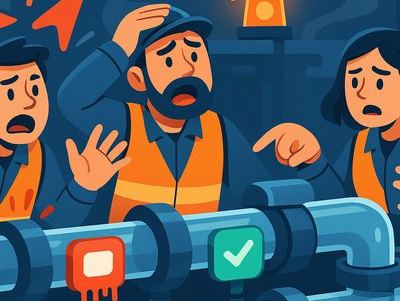
Picture a restaurant kitchen. The head chef has just fired the old line cooks and replaced them with an army of on-demand temps. Every time an order comes in, a fresh temp materializes out of thin air, cooks exactly one dish, then vanishes. Genius, right? No idle wages. No wasted downtime.
Except some temps take ninety seconds just to find the frying pan. And the staffing agency's bill? It scales with every single plate.
That, in a nutshell, is the serverless trade-off that engineering teams across the industry are now reckoning with.

The Pitch vs. The Invoice
The serverless sales pitch is seductive:
- Zero provisioning. No servers to patch at 2 AM.
- Elastic scaling. Sudden traffic spike? Handled.
- Pay-per-invocation. Idle means free.
For certain use cases—an occasional webhook, a nightly ETL job, a one-off image resize—this model is genuinely brilliant. It's cloud computing distilled to its purest form.
But many teams didn't stop there. They took the model and applied it to everything: authentication flows, order pipelines, payment processing, real-time analytics. What started as "let's simplify" became a constellation of hundreds of tiny functions, each invisible, each independently billed, and each holding a small piece of the puzzle that no single engineer could see in full.
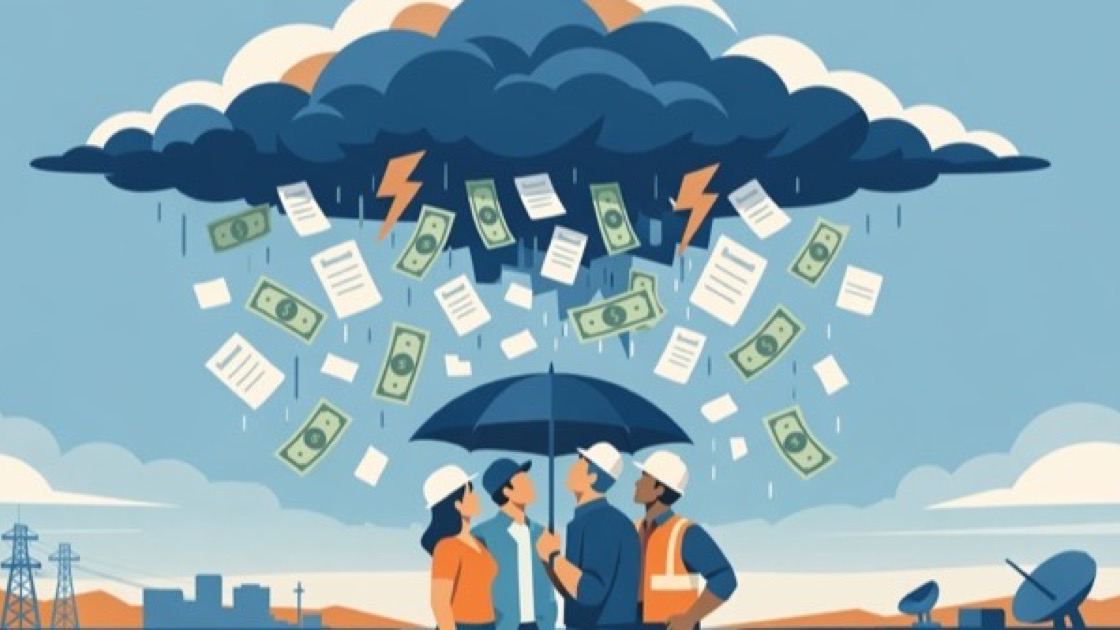
The architecture slide looked elegant. The monthly cost spreadsheet did not.
Three Cracks in the Façade
When workloads shift from "occasional bursts" to "steady streams," the cracks appear fast.
The Wake-Up Tax
Every ephemeral function has a boot sequence. That boot sequence has a cost—not in dollars, but in milliseconds. For a background job, nobody notices. For a user staring at a checkout button, those extra hundreds of milliseconds feel like an eternity. Multiply that across a chain of three or four functions in sequence and tail latency balloons into something your SLA cannot absorb.
Think of it like a relay race where every runner has to tie their shoes before sprinting. Average pace looks fine on paper. But the audience only remembers the handoff where someone fumbled.
The Observability Maze
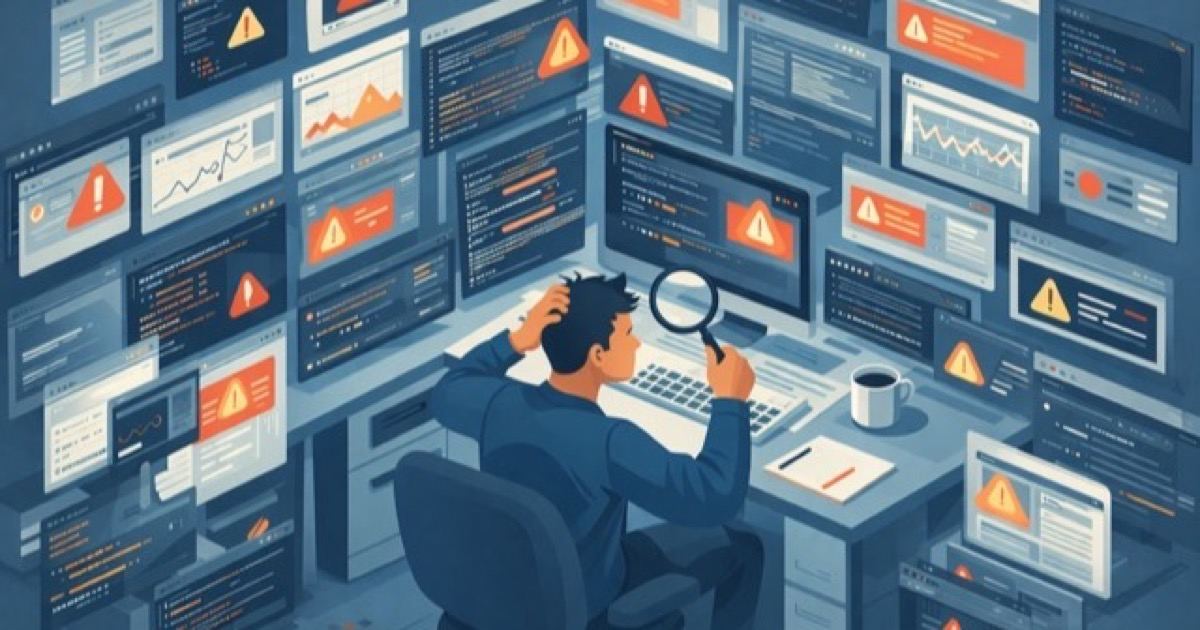
When a request touches a single process, tracing it is trivial. When that same request fans out across a gateway, an auth function, a business-logic function, a notification function, and a persistence function—each hosted by the cloud provider in its own sandbox—debugging becomes archaeology.
Logs scatter across consoles. Metrics live in separate dashboards. Correlating a slow response means stitching together breadcrumbs from five different vendor UIs. Engineers spend less time fixing bugs and more time finding them.
The Invisible Ceiling
Cloud providers enforce per-function concurrency limits, regional quotas, and connection caps that are easy to overlook during development. Under real load, these limits surface as throttled requests, dropped connections, or mysterious 429 errors. The worst part? You usually discover them at the exact moment you can least afford surprises—during a traffic peak.
Steady Rivers Don't Need Rain Dances
Here's the mental model that clarifies everything:
Serverless is optimized for storms. Most production workloads are rivers.
A storm is unpredictable, short-lived, and violent. You want elastic capacity that appears and disappears. Functions excel here.
A river is continuous, predictable, and relentless. It flows during business hours, it flows overnight, it flows on weekends. For rivers, you don't need magic elasticity. You need a channel—something persistent, well-shaped, and always ready.
Data processing workloads almost always behave like rivers. Telco CDRs arrive every second. Financial transactions tick constantly. IoT sensors never sleep. Feeding these streams through ephemeral functions is like routing a river through a series of pop-up tents. It technically works. But you'll spend all your time rebuilding tents.
What the Numbers Actually Say
Teams that have compared both approaches for steady-state workloads consistently find a pattern:
| Metric | Ephemeral Functions | Persistent Engine |
|---|---|---|
| p95 Latency | Variable (cold-start spikes) | Stable and low |
| Cost at Low Volume | Lower | Higher |
| Cost at Sustained Volume | Significantly higher | Significantly lower |
| Debugging Effort | High (distributed traces) | Low (single process) |
| Onboarding Complexity | Many moving parts to learn | One system to understand |
The crossover point arrives faster than most teams expect. Once your baseline traffic is steady, the per-invocation billing model stops being a bargain and starts being a multiplier.
How layline.io Turns the River Into a Pipeline
This is precisely the problem layline.io was designed to solve. Instead of scattering your data logic across dozens of ephemeral functions stitched together with YAML and hope, layline.io gives you a persistent, visual, always-hot data engine.
Always Running, Always Ready
layline.io deploys as a long-lived service on your own infrastructure—VMs, Kubernetes, bare metal, your call. There are no cold starts because the engine never sleeps. Data arrives, gets processed, and moves on. No boot tax. No wake-up jitter.
One Canvas, Not Fifty Consoles
With layline.io's drag-and-drop workflow designer, your entire data pipeline lives on a single visual canvas. Sources (Kafka, HTTP, files, databases), transformations, routing logic, and destinations—all visible in one place. When something goes wrong, you don't need a treasure map. You click on the step and look.
Built for Pressure
Under the hood, layline.io is powered by the Apache Pekko framework—the same actor-model technology trusted by some of the world's highest-throughput systems. It handles back-pressure natively, meaning that when downstream systems slow down, layline.io throttles gracefully instead of dropping messages or crashing. Guaranteed processing, not best-effort.
Predictable Economics
No per-invocation billing surprises. You provision the capacity you need, layline.io utilizes it efficiently, and your finance team can finally forecast infrastructure costs without a ouija board.
The Pragmatic Split
None of this means serverless should be banished entirely. The smart move is a division of labor:
- Serverless for the edges: occasional triggers, lightweight glue, spike-driven background tasks.
- A persistent engine like layline.io for the core: steady data flows, real-time processing, mission-critical pipelines that run all day and pay the bills.
This isn't about ideology. It's about matching the tool to the workload. A hammer is great—until you need a wrench.
The Takeaway
If your cloud bill grows faster than your traffic, if debugging a single slow request takes longer than fixing it, or if your team spends more time wrestling platform quirks than shipping features—the architecture is fighting the workload.
Stop routing rivers through pop-up tents. Build a proper pipeline.